
Most recognition programs begin with good intentions. A company hosts an annual awards ceremony. Employees receive plaques, trophies, or certificates. Leaders deliver speeches, photos are taken, and applause fills the room.
Then the event ends. For many organizations, recognition ends there as well. Yet the most impactful recognition is never about the event itself. It is about what happens afterward.
The awards employees remember years later are not necessarily the most expensive or prestigious. They are the ones that made them feel seen, valued, and connected to something larger than themselves. Meaningful recognition transcends a single moment of appreciation. It reinforces purpose, validates contributions, strengthens culture, and influences how people feel about their work long after the ceremony concludes.
In today’s workplace, where employee engagement, retention, and well-being have become strategic priorities, organizations are beginning to understand a critical truth: Recognition is not an event. It is an ongoing experience.
Why Recognition Matters More Than Ever
Employees want more than compensation. They want to know their work matters. Research from Gallup has found that employees who receive meaningful recognition are significantly more engaged and less likely to leave their organizations. Similarly, workplace studies consistently show that employees who feel valued demonstrate higher levels of productivity, commitment, and job satisfaction. But meaningful recognition is different from generic praise.
A simple “good job” may provide a temporary boost, but lasting impact comes when recognition is specific, authentic, and connected to a person’s contribution.
When employees understand exactly how their efforts made a difference, recognition becomes more powerful.
It validates skills. It reinforces confidence. And it helps individuals connect their daily work to broader organizational goals.
Meaningful Recognition Goes Beyond Saying Thank You
There is nothing wrong with expressing gratitude. In fact, appreciation remains one of the most important components of workplace culture. However, meaningful employee recognition goes a step further. Instead of simply acknowledging effort, it highlights impact.
For example, consider the difference between these two statements: “Thank you for your hard work.”
And:
“Your leadership during the client transition ensured the project stayed on schedule and strengthened our relationship with a key account.” The second example creates clarity.
It tells the employee exactly what they did, why it mattered, and how it contributed to success. This level of specificity makes recognition more memorable and meaningful.
Employees are far more likely to remember recognition when it helps them understand the value of their contributions.
Recognition Builds Long-Term Loyalty and Retention
Employee retention remains one of the biggest challenges facing organizations today. While compensation and career growth are important factors, recognition often plays a surprisingly influential role in whether employees choose to stay. People want to feel appreciated.
They want to know their efforts are noticed. And they want confidence that their contributions matter. When organizations consistently recognize achievements, milestones, and everyday excellence, employees develop stronger emotional connections to their workplace.
Recognition creates belonging. Over time, this sense of belonging contributes to long-term loyalty and engagement. Employees are more likely to build lasting careers within organizations where they feel respected, valued, and supported.
Recognition becomes a retention strategy not because it replaces compensation, but because it satisfies an equally important human need: the desire to feel seen.
The Link Between Recognition and Employee Well-Being
Workplace stress and burnout continue to affect organizations across every industry. As workloads increase and expectations evolve, employees often struggle to maintain balance and motivation. Meaningful recognition can play a powerful role in addressing these challenges.
Studies in organizational psychology suggest that employees who receive consistent appreciation experience higher levels of well-being and lower levels of workplace stress. Recognition helps people feel connected. It reinforces positive contributions rather than focusing solely on mistakes or performance gaps.
Most importantly, it creates psychological safety.
When employees know their efforts are valued, they are more likely to feel confident, supported, and engaged.
A culture of appreciation does not eliminate workplace challenges. But it does help people navigate those challenges with greater resilience.
Recognition Fuels Innovation and Growth
Organizations often focus on innovation as a strategic objective. Yet innovation thrives in environments where employees feel empowered to contribute ideas.
Recognition helps create that environment. When employees know their efforts will be acknowledged, they become more willing to take initiative, solve problems, and pursue creative solutions. Recognition sends a powerful message:
Your contributions matter. Your ideas have value. Your efforts are appreciated. This creates confidence and encourages employees to think beyond their immediate responsibilities.
Teams that feel valued are more likely to collaborate across departments, share insights, and embrace calculated risks that drive innovation. In this way, recognition becomes more than a morale booster. It becomes a catalyst for organizational growth.
Personalization Is the Key to Meaningful Recognition
One of the biggest mistakes organizations make is treating recognition as a one-size-fits-all experience. Not everyone wants recognition delivered in the same way. Some employees appreciate public acknowledgment during meetings or company events. Others prefer a private conversation or personalized note from leadership.
Meaningful recognition begins with understanding the individual. Personalized recognition demonstrates attention and sincerity.
It shows employees that leaders genuinely understand their contributions rather than simply following a recognition checklist. This is why customized employee recognition awards often create stronger emotional impact than generic rewards.
Personalization transforms recognition from a routine practice into a memorable experience.
Recognition Should Be Frequent, Not Occasional
Many organizations still rely heavily on annual awards programs. While these events can be valuable, they should not be the only form of recognition employees receive. Waiting an entire year to acknowledge contributions limits the effectiveness of recognition.
The most successful workplace recognition programs combine formal and informal recognition throughout the year.
This may include:
- Leadership recognition awards
- Service milestone celebrations
- Peer-to-peer recognition
- Personalized thank-you messages
- Team achievement awards
- Public acknowledgment of contributions
Frequent recognition reinforces positive behaviors while ensuring employees feel appreciated on an ongoing basis. Consistency is what transforms recognition into culture.
Physical Recognition Creates Lasting Visibility
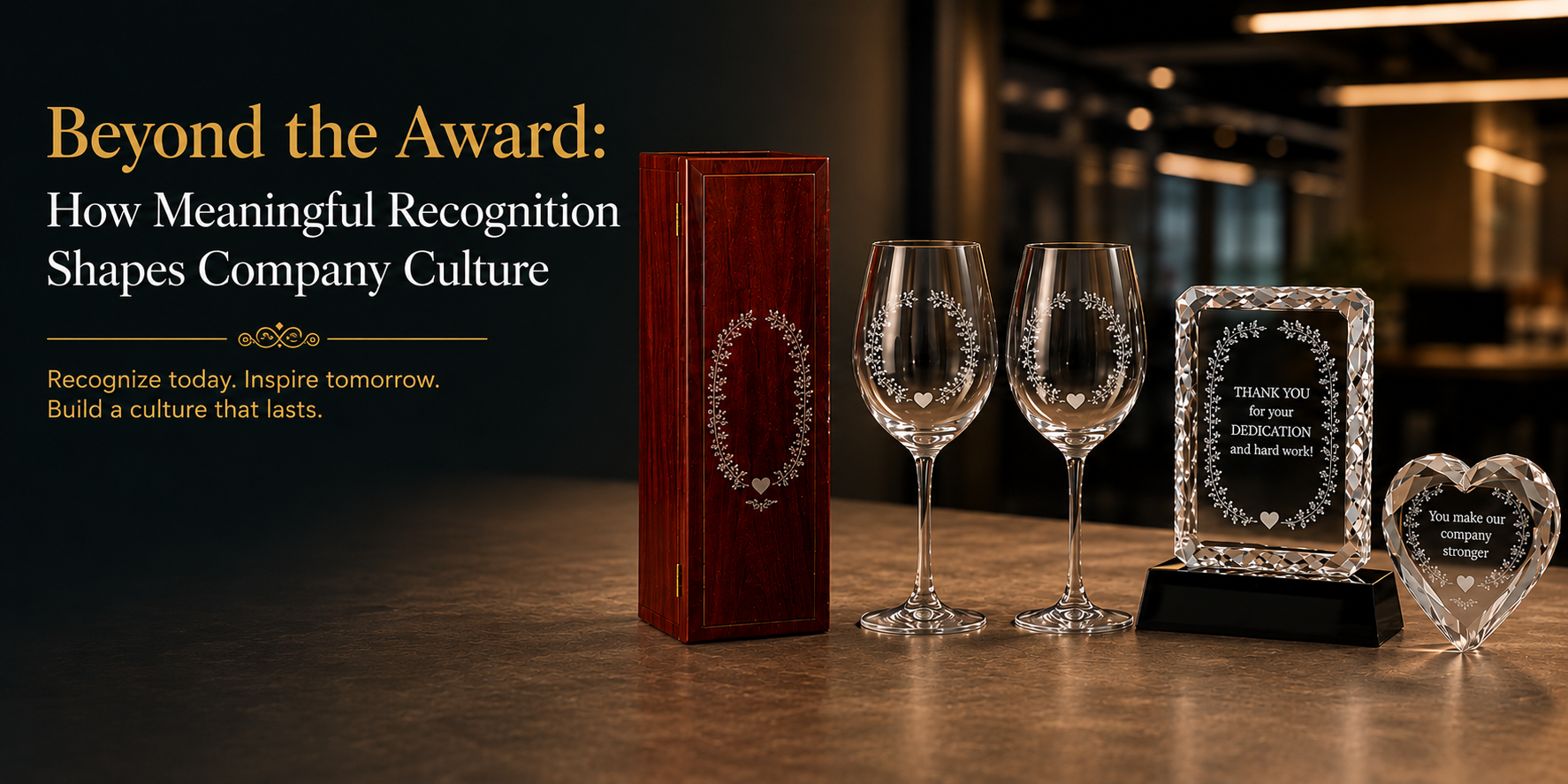
In an increasingly digital workplace, physical employee recognition awards continue to hold unique value. Emails are deleted. Announcements disappear from feeds. Digital messages are quickly forgotten. A beautifully crafted award remains visible. Displayed in an office, home workspace, or conference room, it serves as a constant reminder of achievement and appreciation.
This visibility extends the impact of recognition far beyond the original event. Every time employees see the award, they reconnect with the accomplishment it represents. That lasting presence is one reason physical recognition continues to play such an important role in modern workplace culture.
Conclusion
The most effective recognition programs understand that appreciation should not begin and end with a ceremony.
Meaningful recognition creates lasting impact because it validates contributions, reinforces purpose, strengthens culture, and builds deeper connections between employees and organizations. When recognition is personalized, specific, and consistent, it becomes far more than a reward.
It becomes a powerful tool for engagement, retention, well-being, and innovation. The organizations that excel at recognition are not necessarily the ones hosting the biggest events. They are the ones creating meaningful moments throughout the employee experience. Because employees may remember the award they received. But what they remember even longer is how that recognition made them feel. At Engraved Products, we help organizations transform recognition into lasting impact through premium employee recognition awards, leadership honors, and custom corporate recognition programs. Thoughtfully crafted awards ensure meaningful achievements continue to inspire long after the event ends, helping organizations strengthen culture, celebrate excellence, and recognize the people who drive success every day.
Frequently Asked Questions
Meaningful employee recognition is the intentional acknowledgment of an employee’s specific contributions, achievements, or behaviors in a way that feels authentic, personalized, and connected to organizational goals.
Employee recognition awards help improve engagement, retention, morale, and productivity by making employees feel valued and appreciated for their contributions.
Recognition should occur consistently throughout the year rather than being limited to annual events. Frequent and timely recognition creates stronger employee engagement and reinforces positive behaviors.
Yes. Research consistently shows that employees who feel recognized and appreciated are more likely to remain with their organization and build long-term careers there.
Successful workplace recognition programs are personalized, timely, inclusive, and aligned with organizational values. They celebrate both major achievements and everyday contributions that help drive success.