
Growth is a goal nearly every organization strives for. Expanding teams, opening new locations, increasing revenue, and attracting top talent are all signs of success. Yet growth often creates a challenge that many organizations underestimate: maintaining meaningful recognition as the workforce becomes larger and more complex.
In smaller companies, recognition often happens naturally. Leaders know employees personally, achievements are highly visible, and milestones are easier to celebrate in meaningful ways. As organizations scale, however, employees can begin to feel less connected to leadership and more like part of a system than part of a community.
This is where effective employee recognition programs become essential.
Research from Gallup consistently shows that employees who receive meaningful recognition are more engaged, more productive, and more likely to stay with their employers. At the same time, studies indicate that employees value recognition most when it feels personal, authentic, and directly connected to their contributions.
The challenge for growing organizations is clear: how do you recognize hundreds or thousands of employees without making recognition feel generic?
The answer is not simply recognizing more people. It is ensuring recognition remains personal, thoughtful, and memorable at every stage of growth.
Why Recognition Becomes More Challenging as Organizations Grow
As organizations expand, complexity increases.
Departments become larger. Teams become more specialized. Managers oversee more employees. Leadership becomes further removed from day-to-day accomplishments.
While these changes are natural, they often create gaps in visibility.
Employees may continue making significant contributions, but those contributions are not always seen by the people responsible for recognizing them. Over time, this can create a disconnect between effort and appreciation.
Recognition programs that worked for a company with fifty employees may not work for a company with five hundred. Without a structured approach, appreciation can become inconsistent, and inconsistency is one of the fastest ways to weaken employee engagement.
Growing organizations must therefore shift from informal recognition to intentional recognition. The goal is to ensure every employee feels seen, regardless of how large the organization becomes.
Why Personalization Matters More Than Frequency
Many organizations assume that scaling recognition means increasing the number of awards they distribute. While frequency is important, personalization is what creates impact.
Employees rarely remember receiving a generic certificate or standard gift. What they remember is being recognized in a way that felt specific to their contribution.
A personalized award acknowledges more than an achievement. It acknowledges the person behind the achievement.
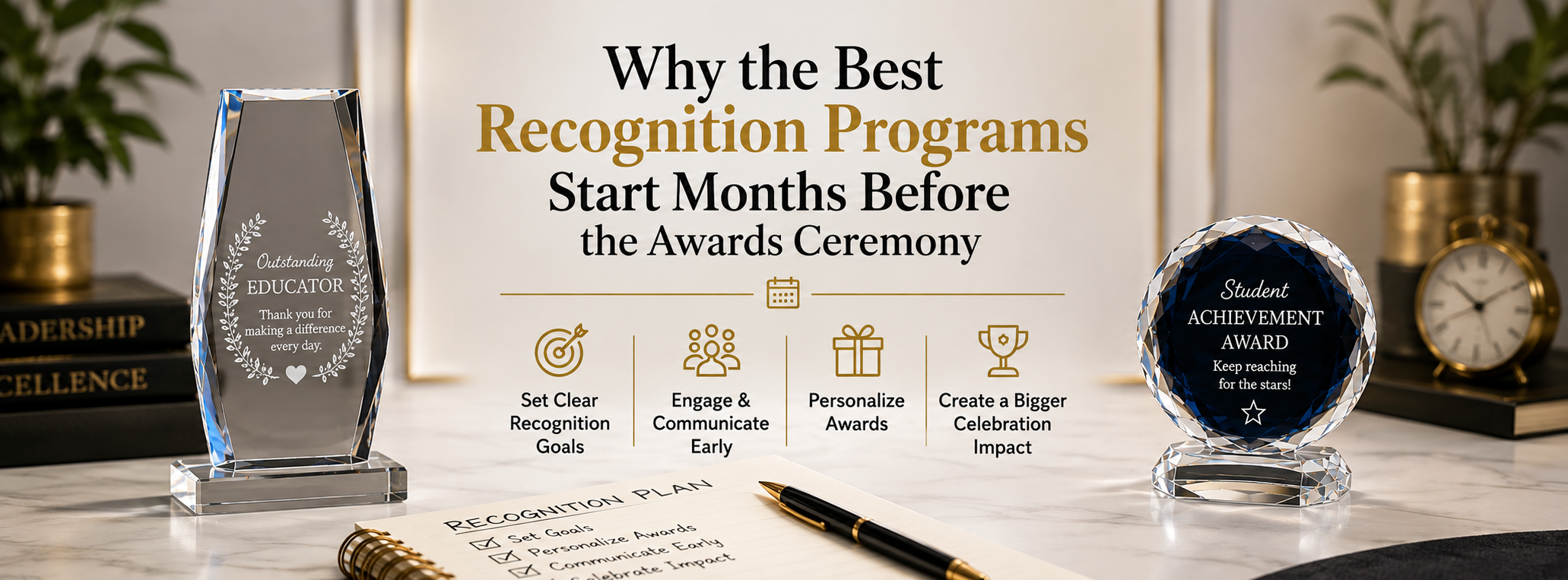
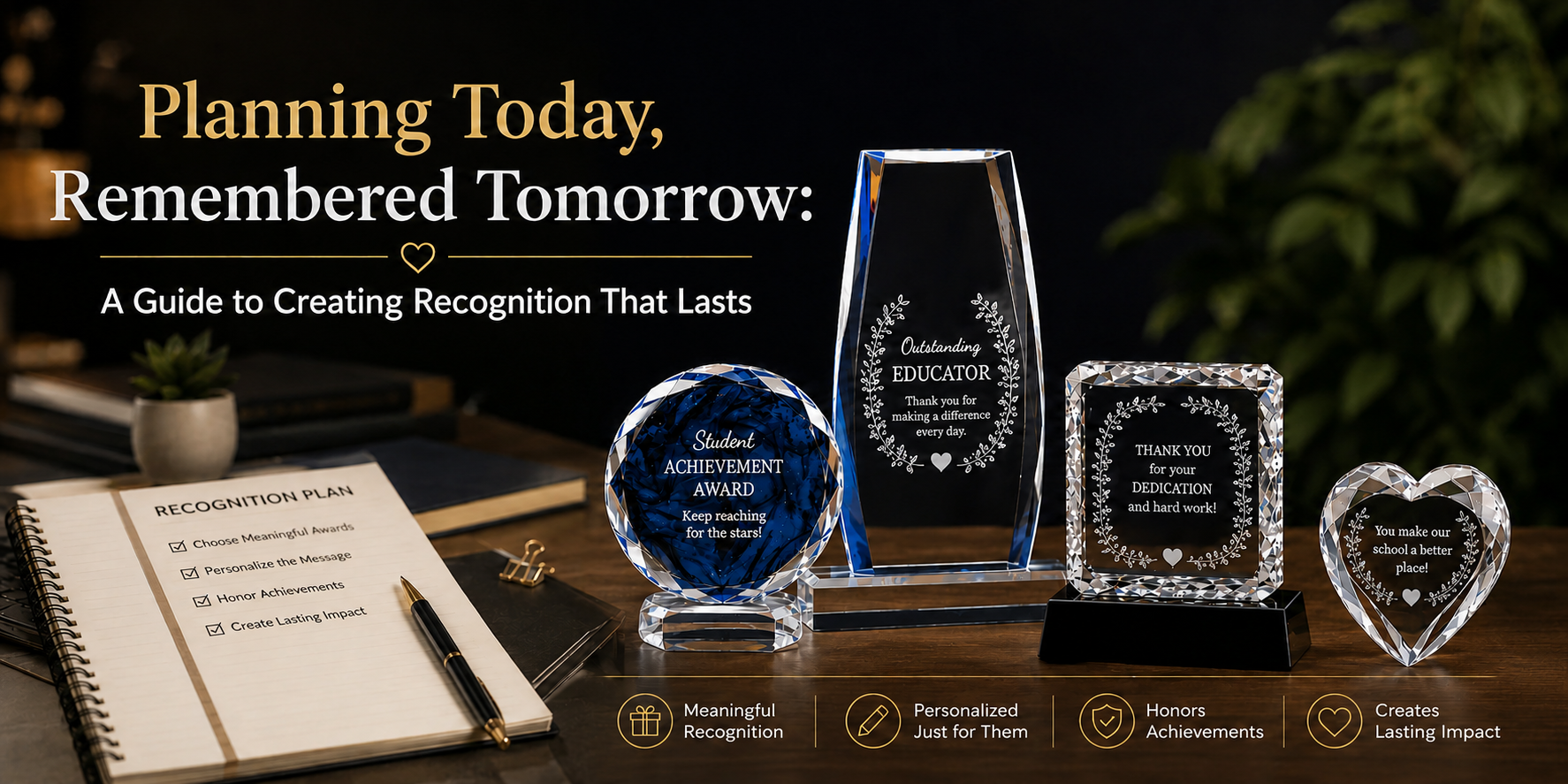
This is why custom recognition awards continue to be a cornerstone of successful recognition programs.
Including a recipient’s name, accomplishment, milestone, or personal message transforms recognition into something meaningful. It communicates that the organization invested time and thought into celebrating a specific contribution rather than simply following a process.
The difference may seem small, but its impact is significant.
Recognition becomes memorable when it feels personal.
Employee Recognition Programs Should Reflect Company Culture
Recognition is about more than rewarding performance.
It is also one of the most effective ways to reinforce organizational values.
Every award communicates a message.
When organizations recognize innovation, they encourage innovation. When they celebrate collaboration, they reinforce teamwork. When leadership is acknowledged, they highlight the importance of mentorship and influence.
This is why the most successful employee recognition programs align closely with company culture.
Recognition should not exist separately from organizational values. Instead, it should actively support and strengthen them.
As companies grow, this alignment becomes increasingly important because recognition helps preserve culture across departments, offices, and teams.
It creates consistency in what success looks like and how contributions are valued.
Why Custom Recognition Awards Create Lasting Impact
In today’s digital workplace, recognition often happens through emails, internal communication platforms, and virtual announcements.
These tools are valuable because they provide immediate acknowledgment.
However, physical awards offer something digital recognition cannot: permanence.
A custom recognition award remains visible long after the event ends. Whether displayed in an office, workspace, or conference room, it serves as a daily reminder of achievement.
This visibility reinforces appreciation over time.
More importantly, it transforms a moment of recognition into a lasting memory.
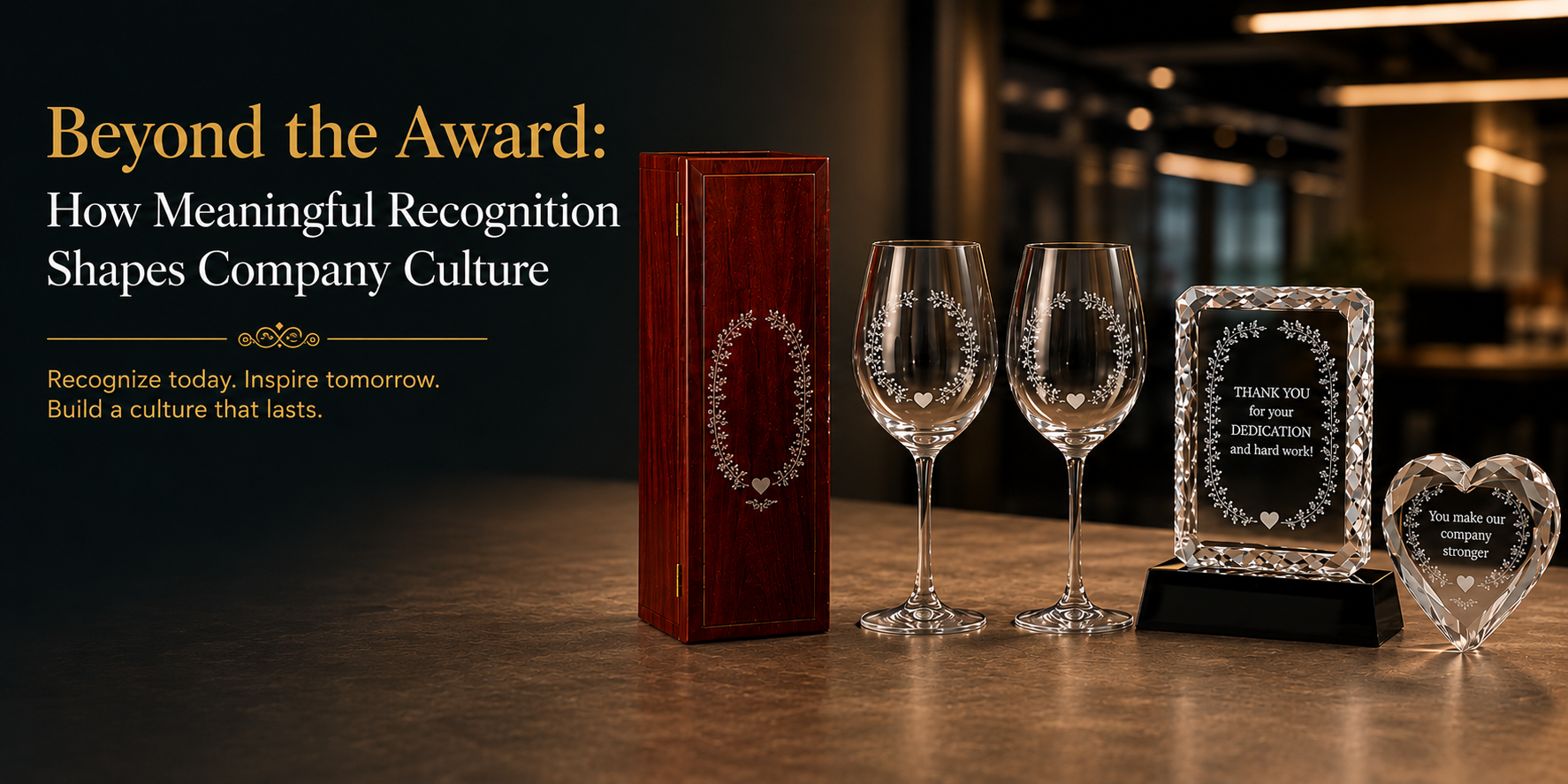
Premium materials such as crystal, glass, metal, and fine wood further elevate the experience. They communicate professionalism, prestige, and respect for the achievement being celebrated.
The award itself becomes a reflection of the accomplishment.
Leadership Recognition Requires a Different Approach
Leadership recognition programs deserve special attention because leadership contributions often extend beyond measurable results.
Leaders shape culture. They mentor teams. They guide organizations through challenges and create opportunities for growth.
Recognizing these contributions requires more than standard employee awards.
Thoughtfully designed leadership recognition programs often include premium engraved awards that reflect the significance of executive and managerial achievements.
These awards are not simply acknowledgments of performance. They celebrate influence, vision, and long-term impact.
For many organizations, leadership awards also become part of a broader legacy, honoring individuals whose contributions helped shape the company’s future.
Because of this, personalization and presentation are especially important.
The recognition should feel as meaningful as the achievement itself.
Scaling Recognition Without Losing Authenticity
One of the biggest mistakes organizations make is treating scalability and personalization as opposing goals.
In reality, both can coexist.
The most effective recognition programs use structured systems while preserving individual meaning.
This can be achieved by recognizing a variety of contributions rather than focusing only on top performers. Service anniversaries, innovation milestones, leadership achievements, project success, mentorship contributions, and team accomplishments all deserve recognition.
Organizations that create multiple opportunities for appreciation often build stronger cultures than those that reserve recognition for annual awards ceremonies alone.
The key is consistency paired with personalization.
Employees should feel that recognition is both accessible and meaningful.
Why Recognition Is Becoming a Competitive Advantage
Today’s workforce places increasing value on purpose, appreciation, and belonging.
Compensation remains important, but employees are also looking for workplaces where their contributions are recognized and valued.
Organizations that prioritize recognition often experience benefits beyond morale.
Strong recognition cultures contribute to higher engagement, improved retention, stronger collaboration, and greater organizational loyalty.
Recognition has become more than an HR initiative.
It is a business strategy.
In competitive industries where attracting and retaining talent is increasingly challenging, meaningful recognition can be a significant differentiator.
Employees are more likely to stay where they feel appreciated.
The Future of Employee Recognition Programs
As workplaces continue evolving, recognition programs will evolve as well.
Technology will continue improving how organizations communicate appreciation. Digital platforms will make recognition faster and more visible.
However, personalization will remain essential.
The future of recognition is not about choosing between digital and physical experiences. It is about combining both to create meaningful moments that employees remember.
Organizations that succeed will be those that recognize people as individuals rather than numbers.
Because no matter how large a company becomes, employees still want the same thing.
They want to know their work matters.
Conclusion
Growth should never come at the expense of meaningful recognition.
As organizations expand, maintaining personal connections becomes more challenging, but also more important. The most successful employee recognition programs understand that appreciation is not measured by the number of awards distributed but by the impact those awards create.
Custom recognition awards, thoughtful employee appreciation initiatives, and well-designed leadership recognition programs help organizations celebrate achievements while preserving the human connection that drives engagement and loyalty.
When recognition feels personal, employees feel valued. When employees feel valued, culture becomes stronger.
And when culture remains strong during growth, organizations create an environment where people want to stay, contribute, and succeed.
Employee recognition programs help maintain engagement, morale, and retention as organizations expand. They ensure employees continue feeling valued and connected even as teams become larger and more complex.
Custom recognition awards create a stronger emotional connection because they acknowledge specific achievements, milestones, and contributions. Personalization makes recognition more memorable and meaningful.
Organizations can create structured recognition systems while still personalizing awards through custom engraving, meaningful messaging, and recognition tailored to individual accomplishments.
Leadership recognition programs celebrate the influence, mentorship, and long-term impact leaders have on an organization. They help reinforce leadership values and recognize contributions beyond measurable performance metrics.
Yes. Physical awards provide permanence and visibility that digital recognition often cannot. They serve as lasting reminders of achievement and continue reinforcing appreciation long after the recognition event has ended.